













 1620 5th Avenue
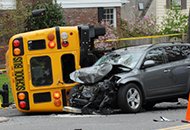
After a car accident, you may wonder whether your situation qualifies as a strong personal injury case. Not every accident leads to legal action, but certain factors can indicate that pursuing a claim may be worthwhile. A strong case often begins with clear evidence showing that another party’s negligence caused the accident. This may include distracted driving, speeding, failing to yield, or violating traffic laws. When fault can be clearly established, it becomes easier to demonstrate liability and pursue compensation for the damages you experienced. Insurance companies, attorneys, and courts typically evaluate these details to determine whether a claim has a solid foundation.
The Importance of Evidence and Documentation
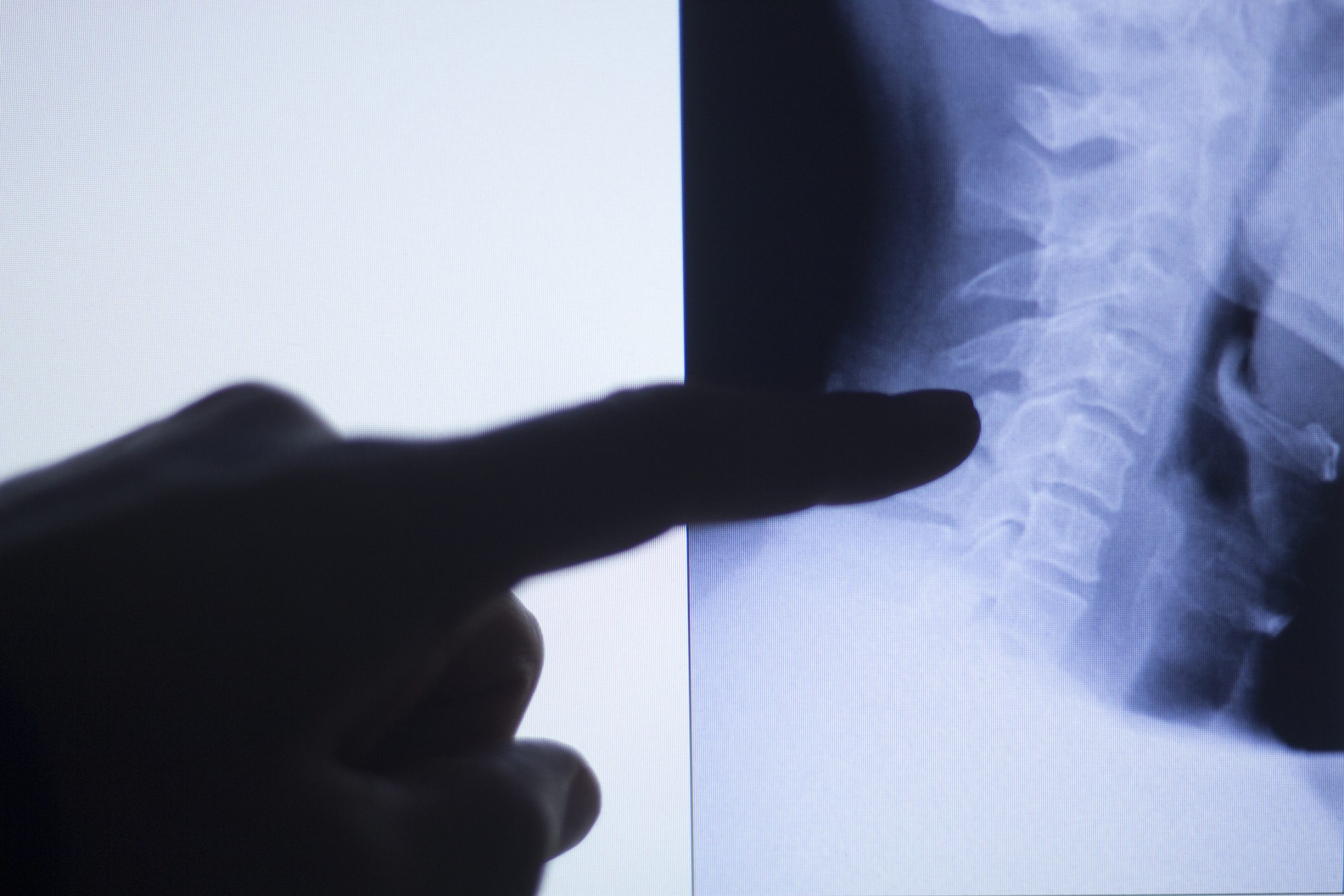
Evidence plays a major role in determining the strength of a personal injury claim. Photos from the accident scene, police reports, witness statements, and medical records can all help support your case. When these pieces of documentation clearly show how the accident occurred and how you were affected, they create a stronger position for your claim. Medical documentation is especially important because it connects your injuries directly to the accident. Consistent treatment records, doctor evaluations, and detailed medical bills help illustrate the physical and financial impact of the incident.
Establishing Fault and Liability
For a personal injury case to succeed, you must be able to show that another party was responsible for the accident. This process often involves analyzing traffic laws, reviewing accident reports, and gathering statements from witnesses. Sometimes, accident reconstruction experts may also help clarify how the collision happened. When evidence clearly demonstrates that another driver acted carelessly or violated safety rules, it strengthens your ability to pursue compensation. Establishing liability also helps determine which insurance policy or party should be responsible for covering your damages.
How Expert Analysis Strengthens Your Understanding of the Incident
Once you have collected evidence, you may need skilled professionals to examine it more closely. Experts such as accident reconstruction specialists, transportation engineers, medical professionals, and safety analysts can evaluate the materials and explain exactly how the collision unfolded. Their insights help you understand whether the bus company, driver, maintenance team, municipality, or another party failed to meet required safety standards. You depend on their detailed assessments to identify what went wrong and how it could have been prevented. Their explanations may cover speed, braking distance, visibility, mechanical defects, or unsafe road design. By having their interpretations included in your case, you transform raw information into clear findings that support your claim. This gives you a stronger, more organized presentation of what led to the loss you’re facing.
Demonstrating the Impact of Your Injuries
Another key factor in evaluating a personal injury case is the extent of your injuries and how they affect your daily life. Injuries that require medical treatment, ongoing therapy, or time away from work often increase the seriousness of a claim. Beyond immediate medical costs, personal injury cases may also account for lost wages, pain and discomfort, and long-term effects on your quality of life. When medical professionals can clearly describe the impact of your injuries and how they relate to the accident, it strengthens the argument for fair compensation.
Determining whether you have a strong personal injury case can feel overwhelming, especially while recovering from an accident. Consulting with an experienced personal injury attorney can help you understand your options and evaluate the evidence surrounding your situation. A legal professional can review accident reports, medical records, and other documentation to assess the strength of your claim. With the right guidance, you can better understand the steps involved in seeking compensation and make informed decisions about how to move forward after a car accident.
Moving Forward With Legal Guidance from BLG
Bonnici Law Group can help you determine whether you have a strong personal injury case after a car accident by reviewing who caused the crash, what injuries you suffered, and what evidence supports your claim. If the other driver was clearly at fault and you have documentation like a police report, photos, witness information, and medical records linking your injuries to the accident, your claim may be worth pursuing. In addition, records showing treatment, missed work, and day-to-day limitations can strengthen your position with insurance companies. Contact us to schedule a consultation and learn your next steps.


 1620 5th Avenue