



 1620 5th Avenue
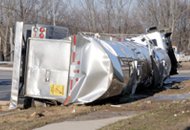
After a truck accident, it is common to assume that the truck driver is the only person responsible for the crash. However, many commercial trucking accidents involve multiple parties, including the trucking company that employs or contracts with the driver. In California, trucking companies can be held liable when their actions, policies, or failures contribute to an accident. If you are injured in a collision involving a commercial truck, understanding who may be responsible is important because it can directly affect your ability to recover compensation. Trucking companies often have significant resources and insurance coverage, making them an important part of many injury claims. Looking beyond the driver’s actions helps uncover all potential sources of liability and can provide a more complete picture of what caused the accident.
Employer Responsibility for Driver Actions
One of the most common reasons a trucking company may share liability is through a legal concept known as vicarious liability. Under California law, employers can be held responsible for the actions of employees who are performing job-related duties when an accident occurs. If a truck driver causes a crash while making deliveries, transporting cargo, or completing other assigned work tasks, the trucking company may also be responsible for the resulting damages. This principle recognizes that businesses benefit from their employees’ work and should also bear responsibility when that work leads to harm. Even if the company did not directly cause the accident, it may still share financial responsibility because the driver was acting within the scope of employment at the time of the collision.
Negligent Hiring, Training, and Supervision
A trucking company can also be directly liable when its own negligence contributes to an accident. Commercial truck drivers operate large vehicles that require specialized skills, training, and qualifications. If a company hires an unqualified driver, ignores a history of safety violations, fails to conduct background checks, or does not provide adequate training, it may be responsible for the consequences. In some cases, companies may overlook warning signs such as prior accidents, traffic violations, or substance abuse. Poor supervision can also create dangerous situations, especially when drivers are pressured to meet unrealistic schedules or are allowed to operate vehicles despite safety concerns. When these failures contribute to a crash, the trucking company’s actions become a key part of the liability investigation.
Vehicle Maintenance and Safety Violations
Commercial trucking companies have a duty to properly inspect, maintain, and repair their vehicles. Large trucks travel thousands of miles each month, placing significant wear on brakes, tires, steering systems, lights, and other critical components. When a company fails to keep its fleet in safe operating condition, mechanical failures can lead to devastating accidents. For example, worn brakes, tire blowouts, defective lighting, or steering malfunctions may cause a driver to lose control of the vehicle. Federal and state regulations require trucking companies to follow specific maintenance and inspection standards. Violations of these requirements may serve as evidence that the company contributed to the accident. Records involving maintenance schedules, repair histories, inspection reports, and safety audits often play a significant role when determining whether the trucking company shares responsibility for the crash.
Building a Strong Claim Against Responsible Parties
Truck accident cases are often more complex than standard car accident claims because several parties may share liability. In addition to the driver and trucking company, cargo loaders, maintenance providers, vehicle manufacturers, or other businesses may also play a role depending on the circumstances. Identifying all responsible parties can help maximize compensation for medical expenses, lost income, pain and suffering, rehabilitation costs, and future damages. Bonnici Law Group can help by investigating the accident, reviewing driver logs, maintenance records, company safety practices, witness statements, and other critical evidence to determine who may be liable. We can also handle communications with insurance companies and work to prevent you from accepting a settlement that does not fully reflect your losses. By assessing both current and future damages, including ongoing medical care and long-term effects of your injuries, we help you pursue the compensation you deserve. Contact us to schedule a consultation and learn more about your legal options after a California truck accident.


 1620 5th Avenue