










 1620 5th Avenue
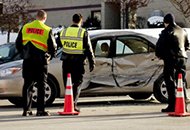
A head-on collision in the University Heights area has left two UC San Diego School of Medicine students dead and three others injured. California Highway Patrol alleges that the driver responsible for the car accident, a 21-year-old US Marine, was under the influence of alcohol. Police charged the man with several counts of vehicular manslaughter. Before the fatal accident occurred, several witnesses called police to report the man for driving on the wrong side of the highway. Less than two minutes later, the accident had happened and it was too late to save the two students. This drunk driving accident has a lot in common with others that have happened recently. Two weeks ago, another drunk driver collided into a car with five people while driving on the wrong side of the road. What Can Be Done to Stop Drunk Driving Accidents in San Diego? Law enforcement in San Diego…
Read More »
Let Us Review Your Case
Recent Post
- When to Seek Compensation for Dog Bite Injuries in San Diego
- Why Hiring an Attorney Early Improves Your Settlement in Motorcycle Injury Claims
- How to Know If You Have a Strong Personal Injury Case After a Car Accident
- How Evidence Collection Strengthens Your Wrongful Death Claim After a Public Transportation Accident
- What San Diego Families Need to Know When Unsafe Property Conditions cause a Serious Injury
Categories
- +Accidents By Location (49)
- Chula Vista (7)
- Poway (2)
- Rancho Bernardo (1)
- San Diego (34)
- Scripps Ranch (1)
- Aviation Accidents (1)
- Bus Accidents (7)
- +Car Accidents (86)
- Hit-and-Run (2)
- Cycling Accidents (93)
- Dog Bites (36)
- Electric Scooter Accidents (1)
- General (55)
- Health Tips (2)
- Maritime Law and Accidents (19)
- Motorcycle Accidents (6)
- Personal Injury Accidents (346)
- Pharmaceutical Litigation (1)
- Premises Liability (1)
- Products Liability (1)
- Spinal Cord Injuries (1)
- Traumatic Brain Injuries (1)
- Truck Accidents (1)
- Wrongful Death (2)


 1620 5th Avenue