















 1620 5th Avenue
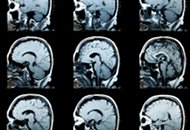
The family of Junior Seau has donated some of his brain tissue to researchers for study, according to The New York Times. Seau was an NFL linebacker for 17 years, 13 of which he played for the San Diego Chargers. On May 22, 2002, Seau took his own life and died of a self-inflicted gunshot wound to the chest at the age of 43. Many people speculated that Seau shot himself in the chest in order to preserve his brain so scientists could study the long-term effects of playing football. There has been speculation that Seau suffered from brain damage due to chronic traumatic encephalopathy. “He always bounced back and kept on playing,” said Gina Seau, his wife. “He’s a warrior. That didn’t stop him.” The family donated the tissue to the National Institutes of Health’s National Institute of Neurological Disorders and Stroke. “[The] release of materials for study was…
Read More »
Let Us Review Your Case
Recent Post
- What Victims Should Know About Car Accident Claims
- When a Dog Bite Injury Requires Legal Action in California
- Common Causes of Motorcycle Accidents and Their Impact on Injury Claims
- When Does a Trucking Company Share Liability for a Truck Accident in California?
- When to Seek Compensation for Dog Bite Injuries in San Diego
Categories
- +Accidents By Location (49)
- Chula Vista (7)
- Poway (2)
- Rancho Bernardo (1)
- San Diego (34)
- Scripps Ranch (1)
- Aviation Accidents (1)
- Bus Accidents (7)
- +Car Accidents (86)
- Hit-and-Run (2)
- Cycling Accidents (93)
- Dog Bites (36)
- Electric Scooter Accidents (1)
- General (59)
- Health Tips (2)
- Maritime Law and Accidents (19)
- Motorcycle Accidents (6)
- Personal Injury Accidents (346)
- Pharmaceutical Litigation (1)
- Premises Liability (1)
- Products Liability (1)
- Spinal Cord Injuries (1)
- Traumatic Brain Injuries (1)
- Truck Accidents (1)
- Wrongful Death (2)


 1620 5th Avenue